
MEGA Milan 2026
April 14 – 24, 2026
Frédérique Lucien& Roberto Barbosa
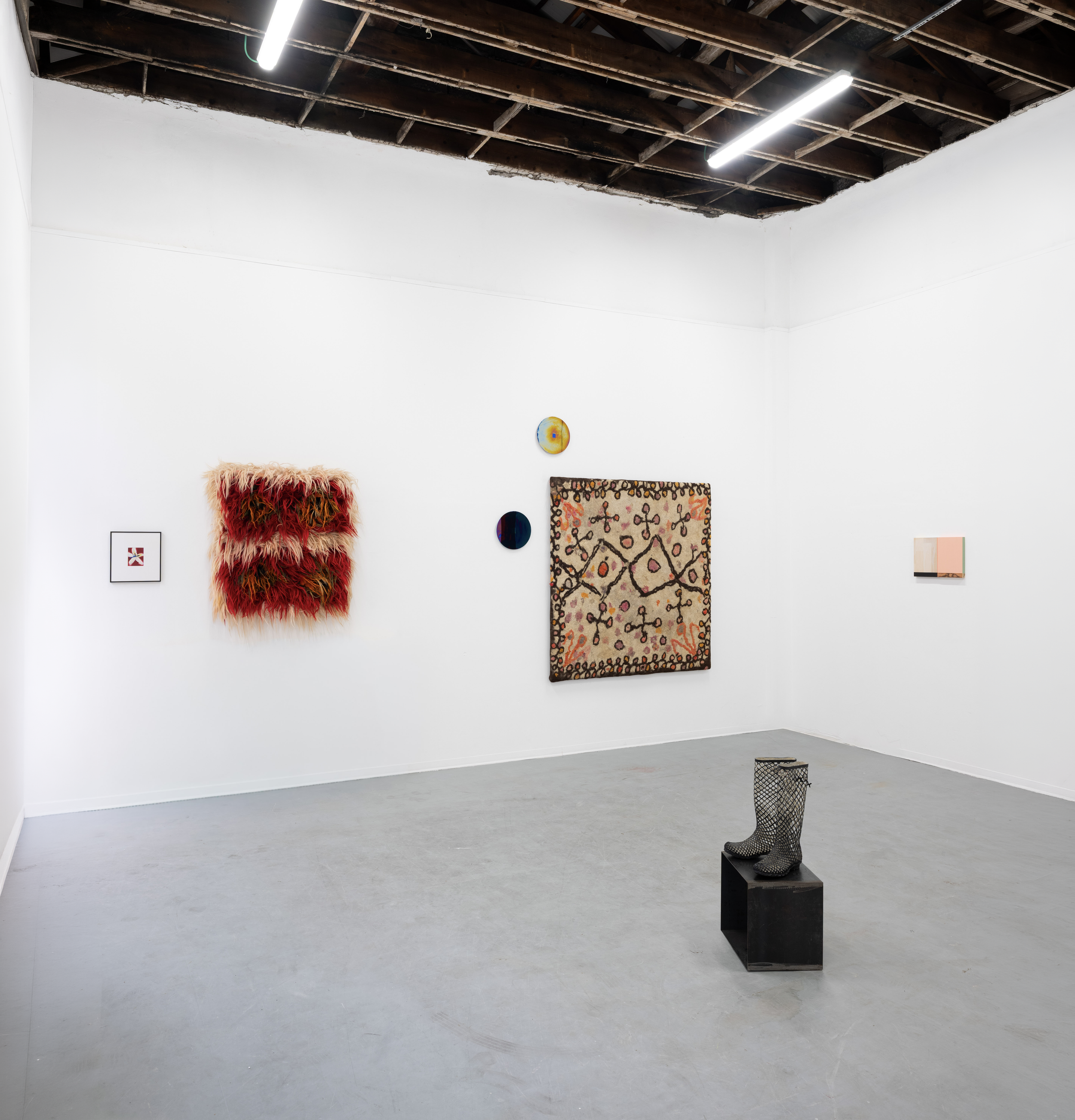
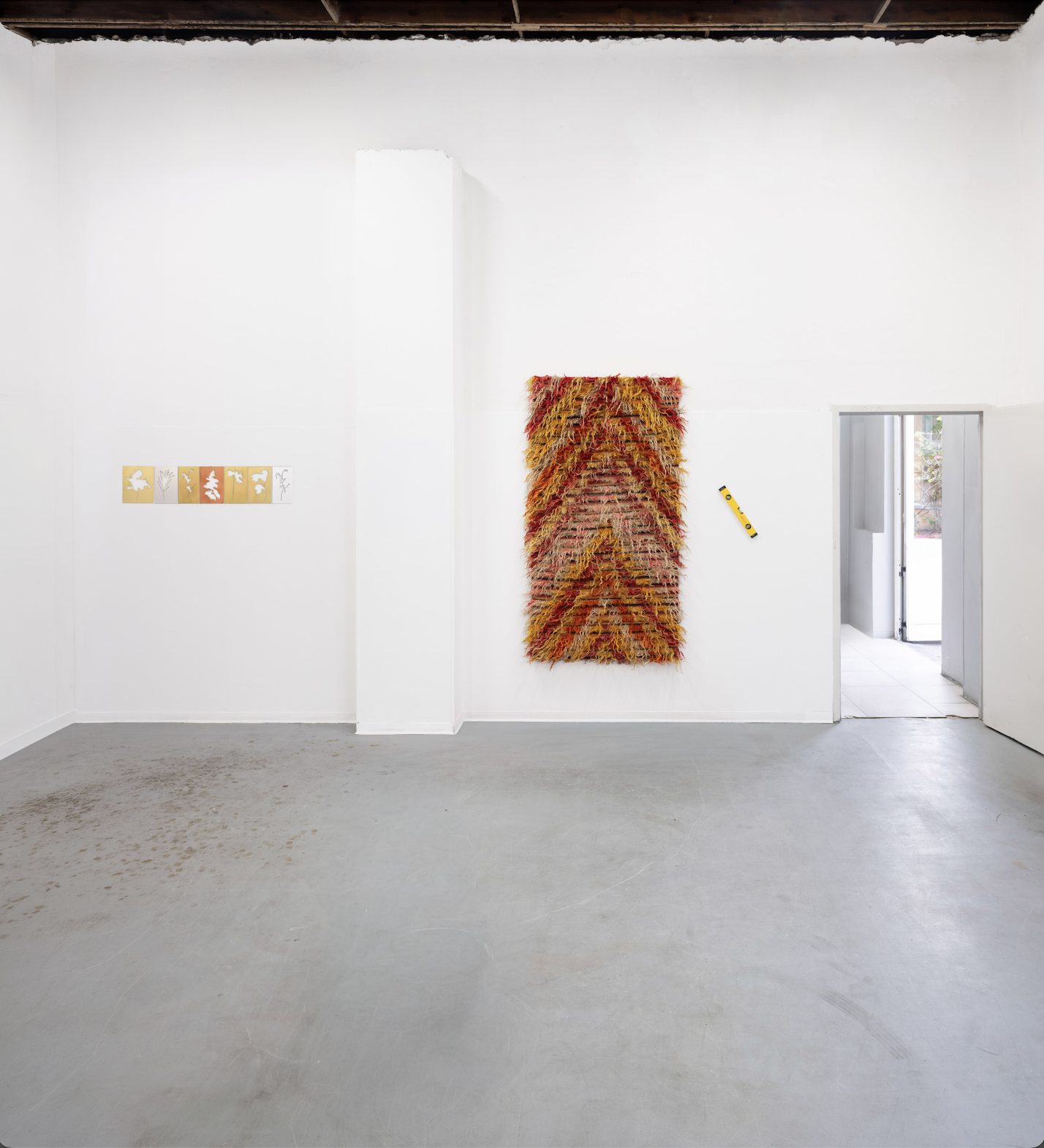
THIRD BORN is pleased to participate in MEGA Art Fair, presenting the work of Frédérique Lucien and Roberto Barbosa. Both practices engage in dialogue through an acute sensitivity to materiality and to tensions between the intimate, the hidden, and the exposed: Roberto’s lilies convert botanical form into bodily, erotic ambiguity, while Lucien’s metal cut‑outs make absence and memory palpable. Together they unfold a sensory world where looking provokes tactile, bodily sensations and quiet, affective recognition.
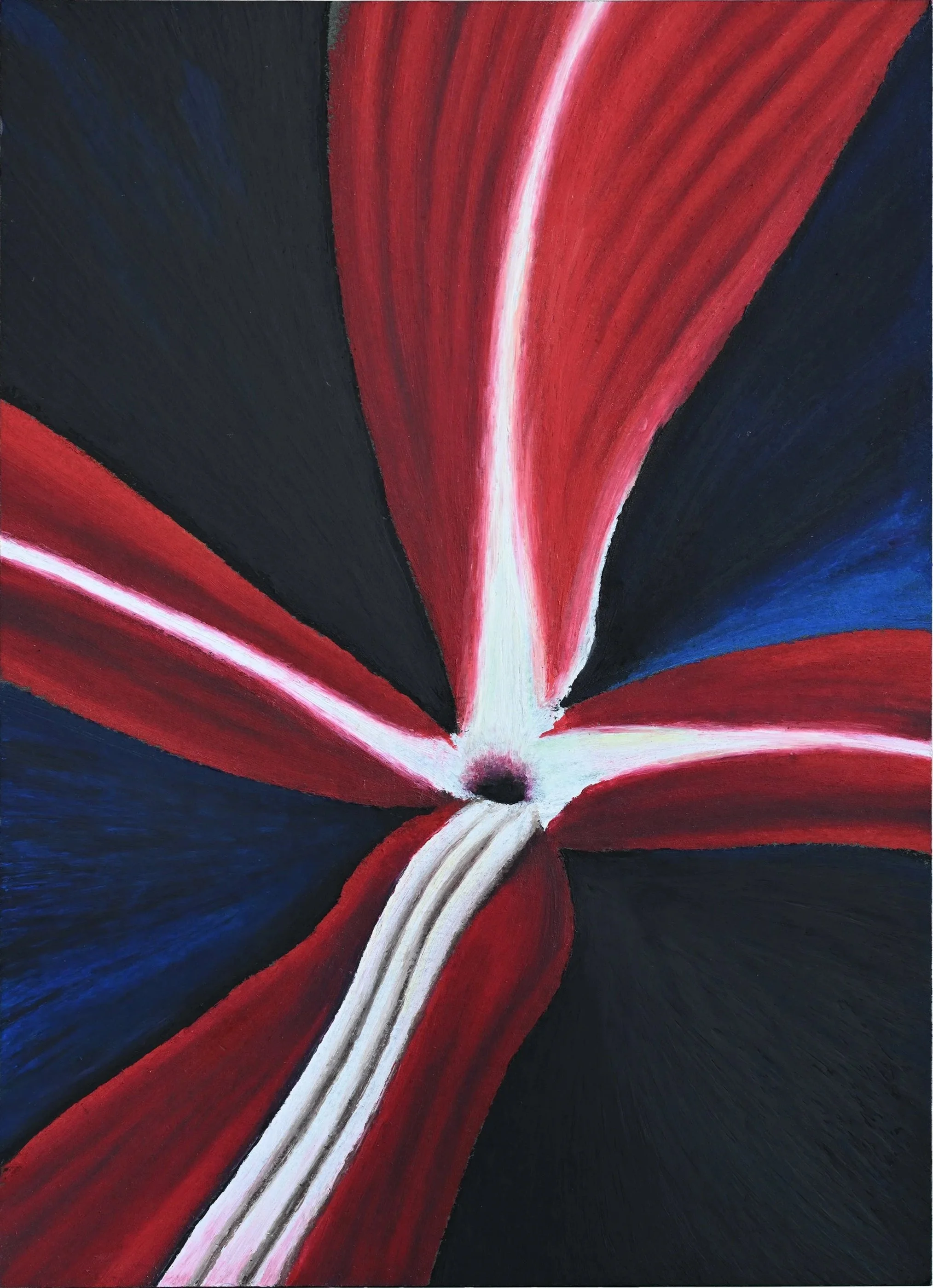
Roberto Barbosa, Lily Roja, 2025
Roberto Barbosa’s Lily works place the flower in a charged space between figuration and abstraction, where the botanical slides toward the bodily. Rendered in oil pastel and pencil, the compositions hinge on a central opening—simultaneously floral and anatomical—where forms oscillate between plant structure and the suggestion of reproductive organs. The lily becomes a site of ambiguity, at times evoking female and male anatomies together or an androgynous, hermaphroditic presence that resists fixed categorization. The works propose a continuity between bodies and nature, collapsing differentiation into shared structures of growth, exposure, and vulnerability, and rehearsing questions of sensuality, biology, and perception. Roberto’s practice, which also engages performance and the play of gendered personae, reinforces the fluid, deceptive, and performative aspects of perceived sex and identity.
Frédérique Lucien’s Leaves and Flowers distills botanical observation into a restrained visual language. Starting from plants as a point of departure, she reduces leaves and stems to essential contours and translates them into sequences of cut metal—copper, brass, and aluminum—where presence and absence are held in delicate balance. Each panel offers a variation rather than a repetition: cut‑out silhouettes activate both the material surface and the surrounding wall, allowing negative space to participate in the composition. Lucien does not depict nature so much as rearticulate it through reduction and translation; what remains is the trace of perception, where form, memory, and material converge in a precise, meditative encounter. The work’s serial rigor—partly inherited from her father’s practice as a butterfly hunter and echoed in the use of pins and methodical repetition—underscores its meticulousness. At the same time, the tension between organic references and engineered materials evokes preservation and loss, making questions of extinction, conservation, and the archive quietly present.
Select Works
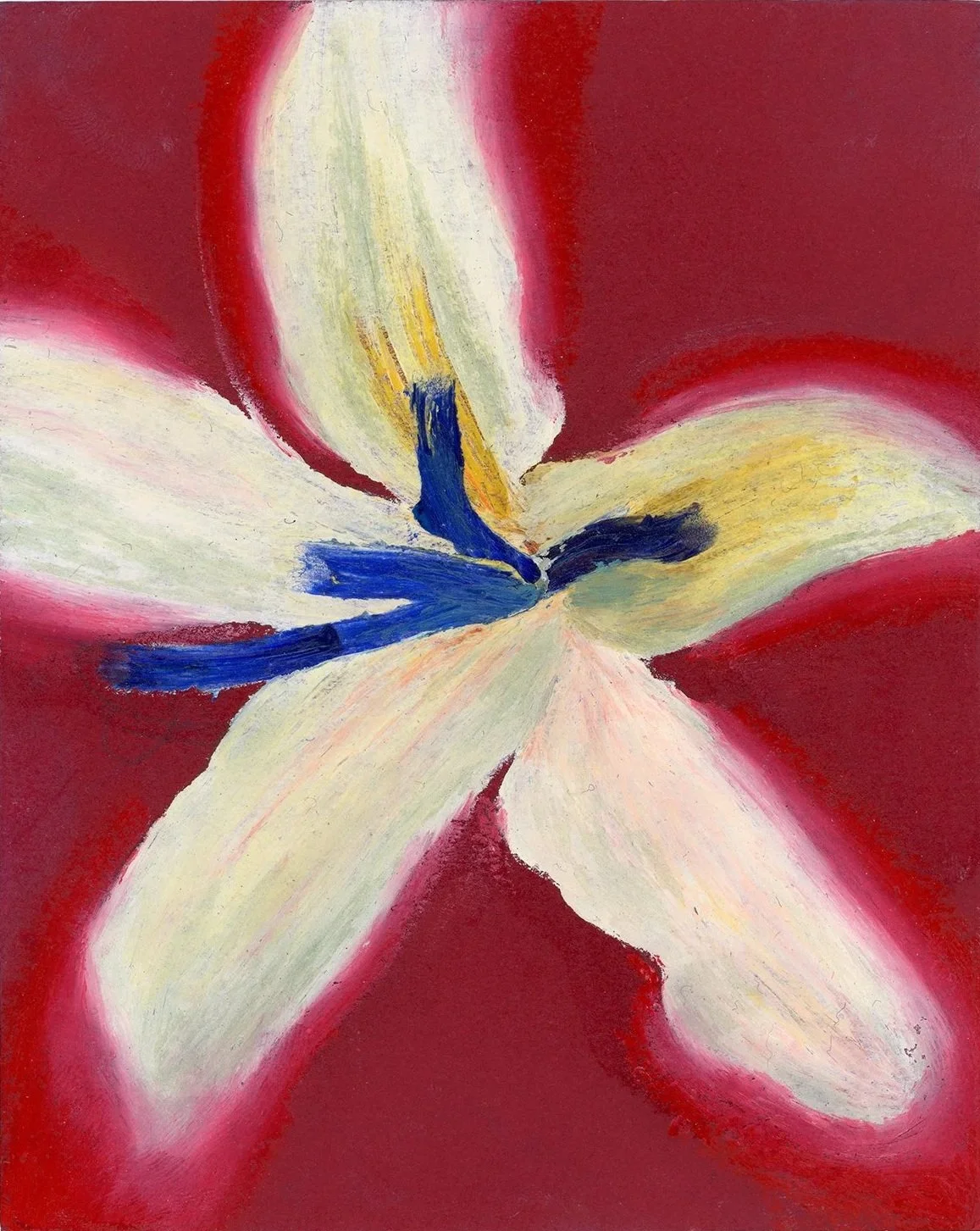
Roberto Barbosa
Lily (invierno NYC), 2024
Oil pastels and pencil on paper
12 x 10 cm
4.72 x 3.94 in.
Roberto Barbosa
Lily Roja, 2026
Oil pastels on paper
28 x 20 cm
11.02 x 7.87 in.
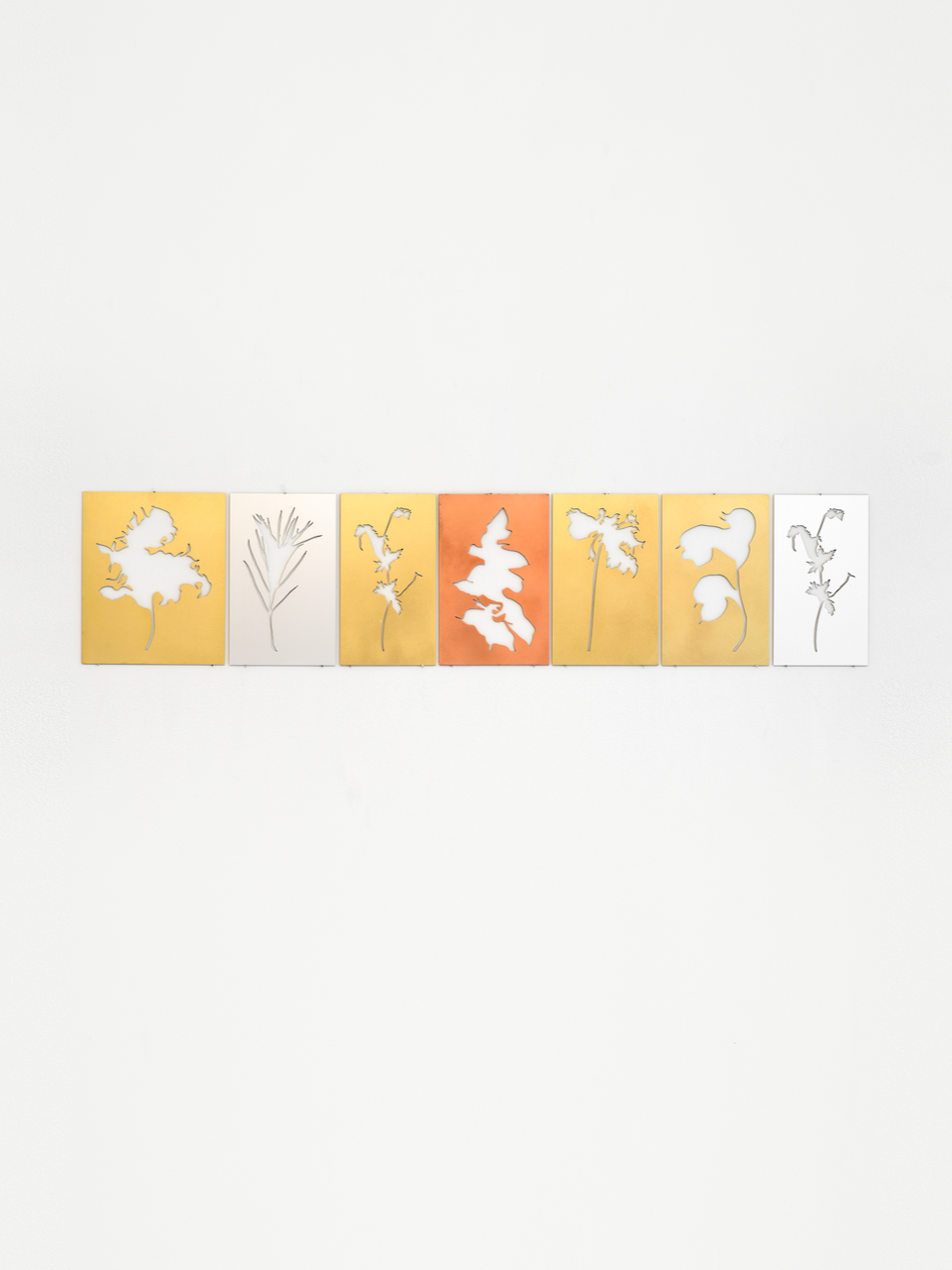
Frédérique Lucien
Leaves and flowers 3, 2023
Copper, aluminum, brass
25 x 115 cm
9.84 x 45.28 in.